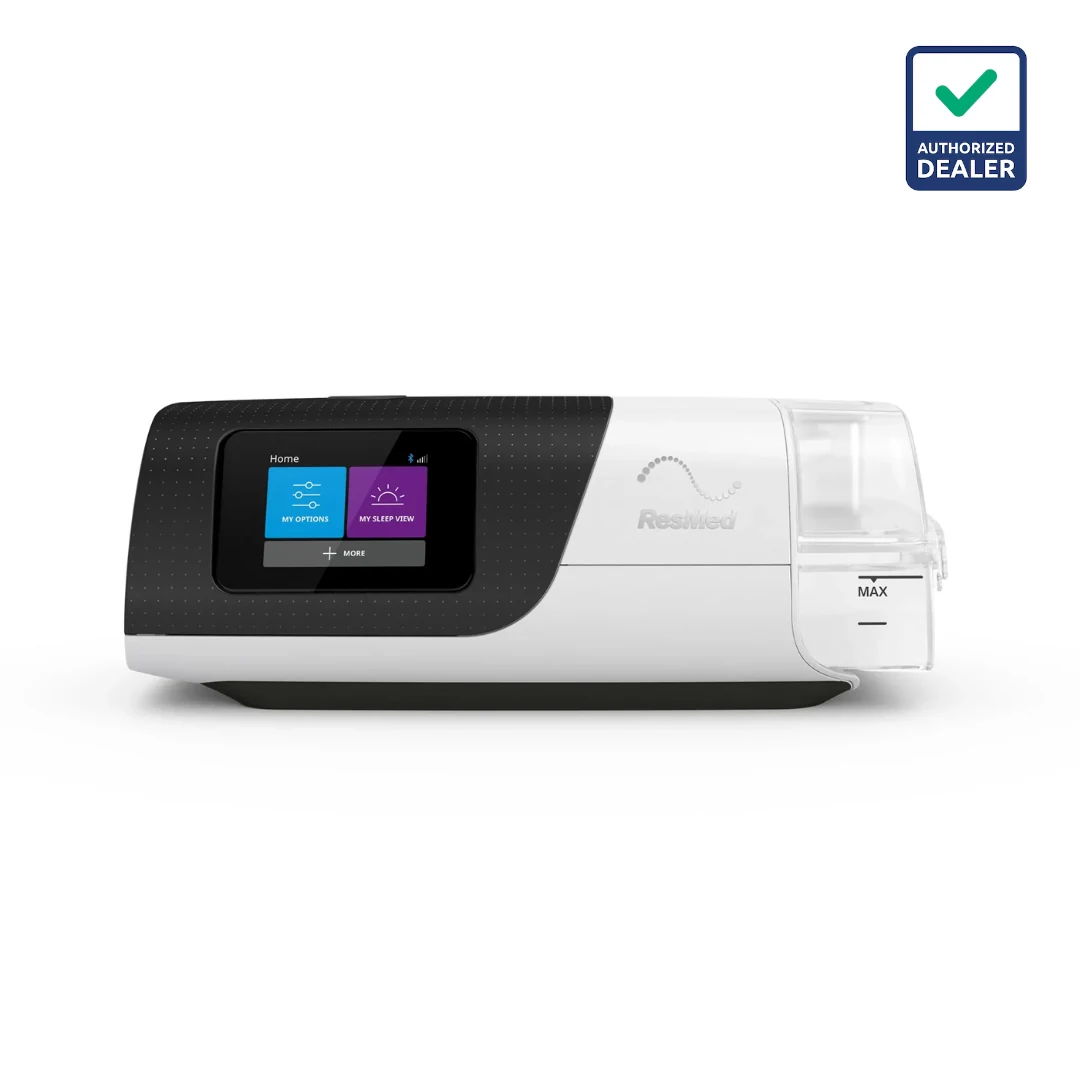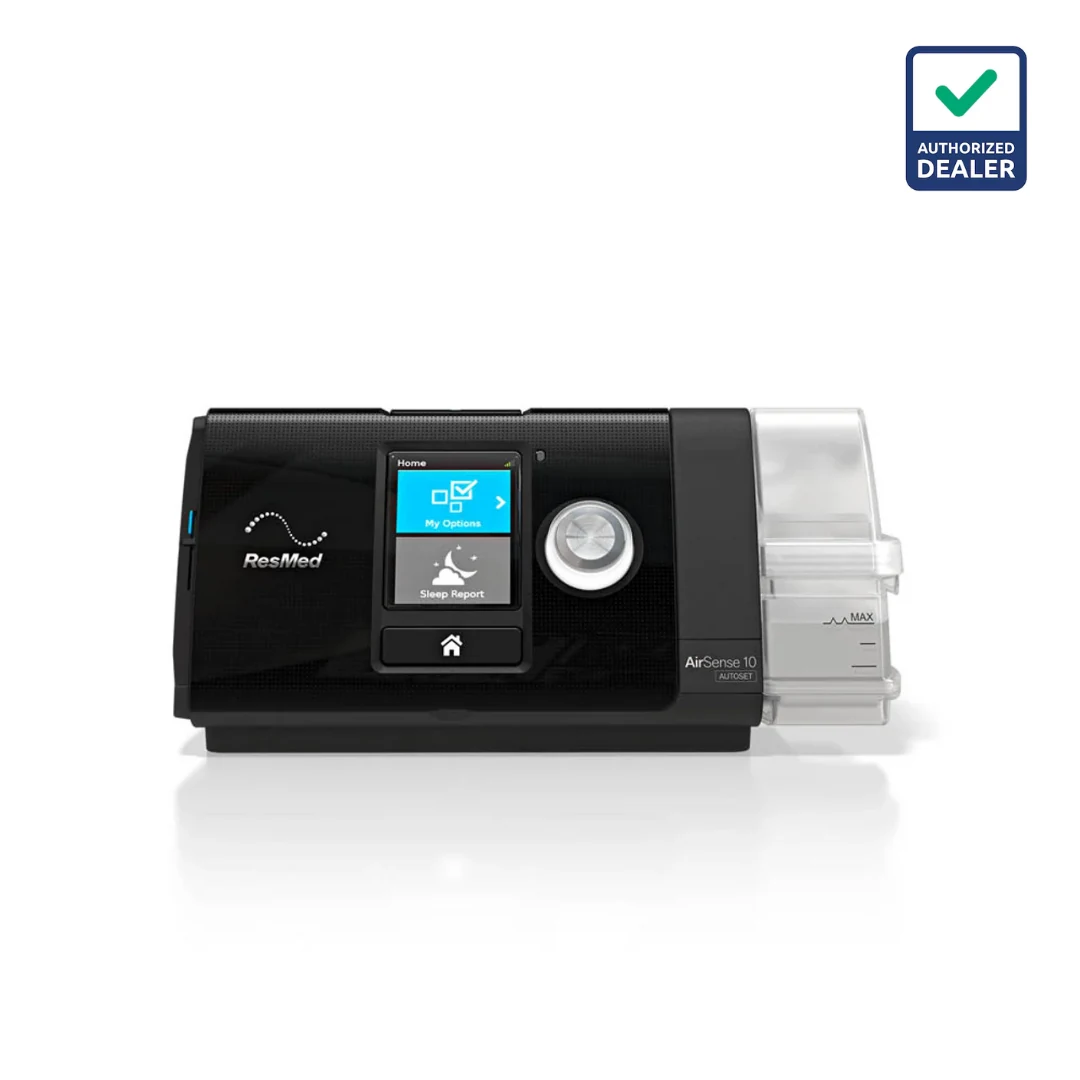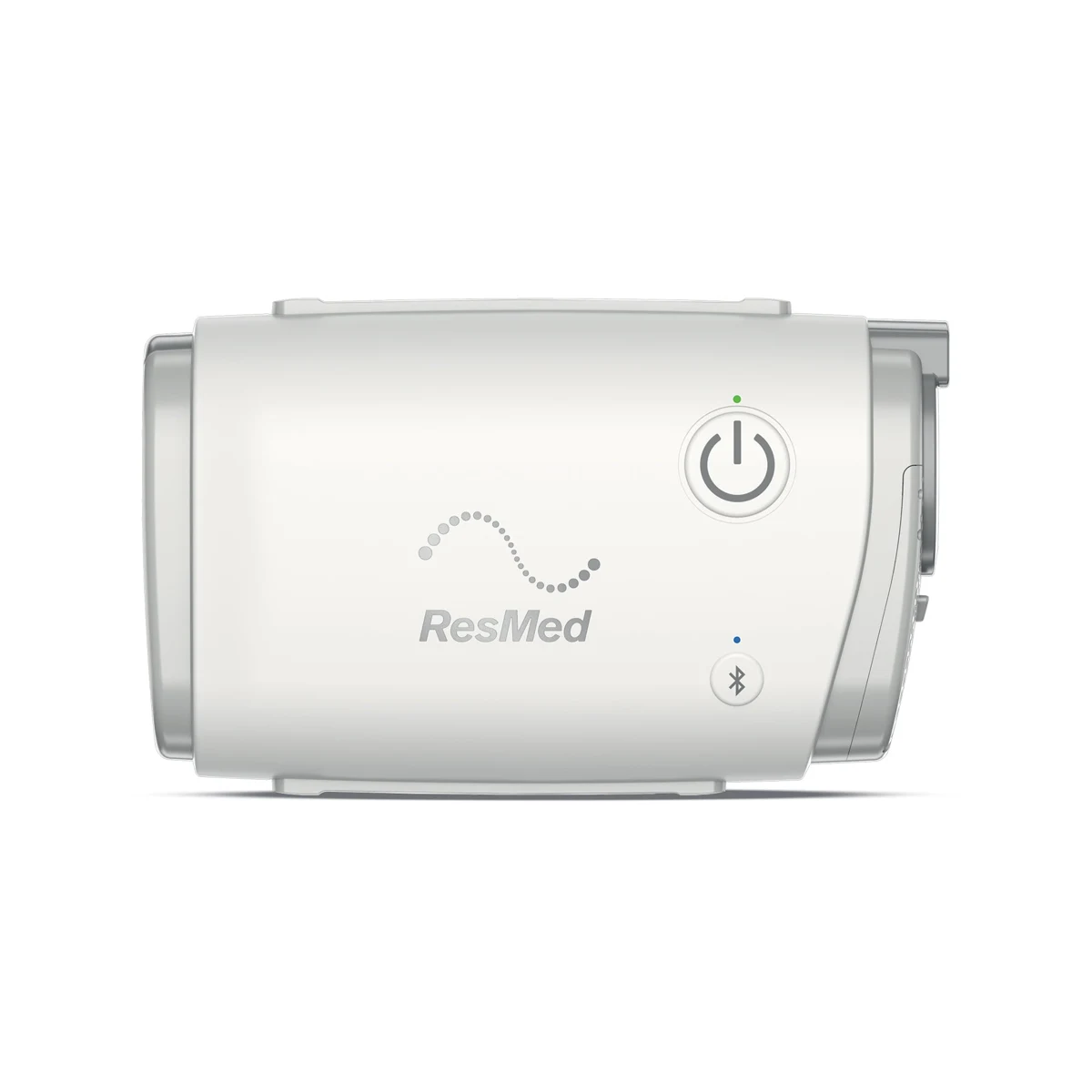
01Begin with the prescription
CPAP delivers a prescribed continuous pressure. Automatic CPAP adjusts pressure within a range set for you. Bilevel is a different therapy type. Do not choose between them from a price list; confirm the required therapy with your clinician.
02Compare the whole setup
A machine needs the appropriate mask, tubing and power supply. Ask for an itemised quotation so you can compare like with like.
- Is the humidifier tub included?
- Is tubing standard or heated?
- Which mask, size and cushion are included?
- Is the exact Indian connectivity variant confirmed?
03Think about daily use
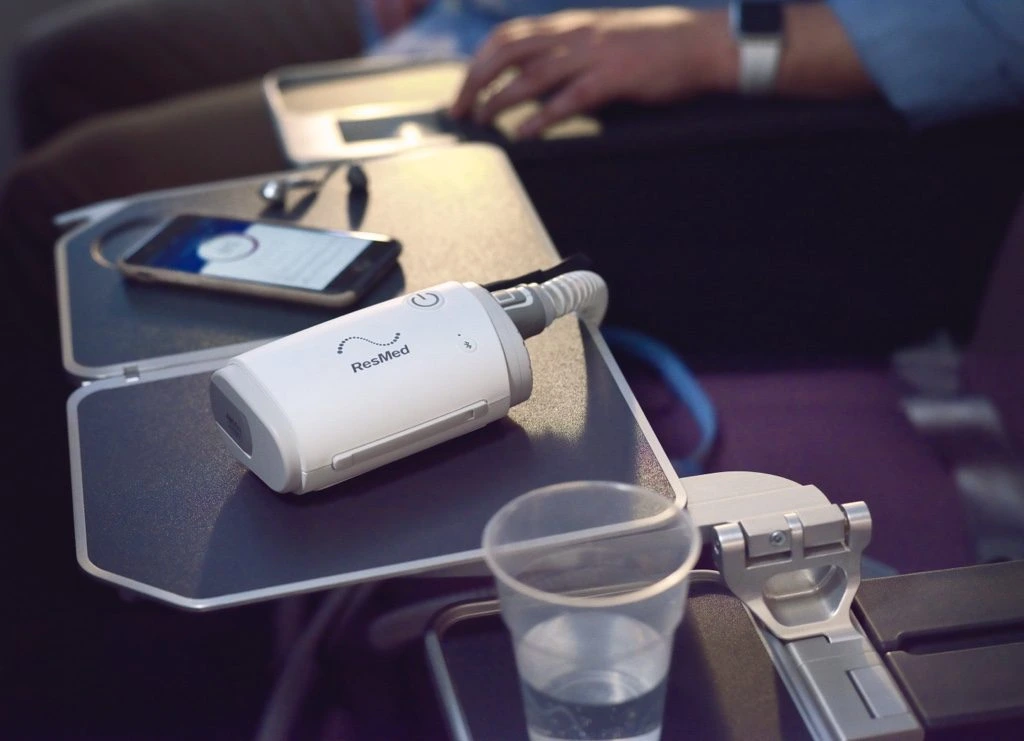
For a home setup, compare controls, bedside space and cleaning. For travel, check the complete packed kit, power requirements and mask connections. Your current mask may need a dedicated connector for a travel device.
04Before you order
Ask about setup guidance, after-sales contacts, replacement parts and the written warranty. Compare the recurring cost of cushions and filters as well as the initial equipment price. Keep the final model, package and tax details in writing.
05Make a bedside checklist before comparing prices
Imagine the complete setup beside your bed, rather than the machine on a shop shelf. Where will it stand? Can you reach the controls and remove the water tub easily? Is there space for the hose without pulling on the mask? A compact device may use specialist connections, while a larger bedside model may have a different humidification arrangement. Ask to see the complete assembly and identify each part. If a family member helps you, include them in the demonstration so the routine does not depend on one person remembering everything.
- Write down the mask model, cushion size and hose type.
- Confirm which comfort controls you are allowed to adjust.
- Keep the equipment contact and the clinical review contact separately.
06Plan the first follow-up, not just the first night
Before delivery, ask how to raise a fitting or equipment question and whether setup support is included in the quote. Keep a short note of practical difficulties, such as hose movement, a hard-to-reach button or uncertainty about cleaning. Those specific observations are more useful than simply saying the machine is uncomfortable. Your clinician should review treatment concerns; your equipment team can help identify the correct component and explain the manufacturer’s instructions. A purchase is easier to compare when that support is described in writing.
Sources & further reading
Use the current product instructions for the exact model and region.
Equipment education does not replace clinical advice. Your care team determines appropriate testing, therapy and settings.