01Separate the components
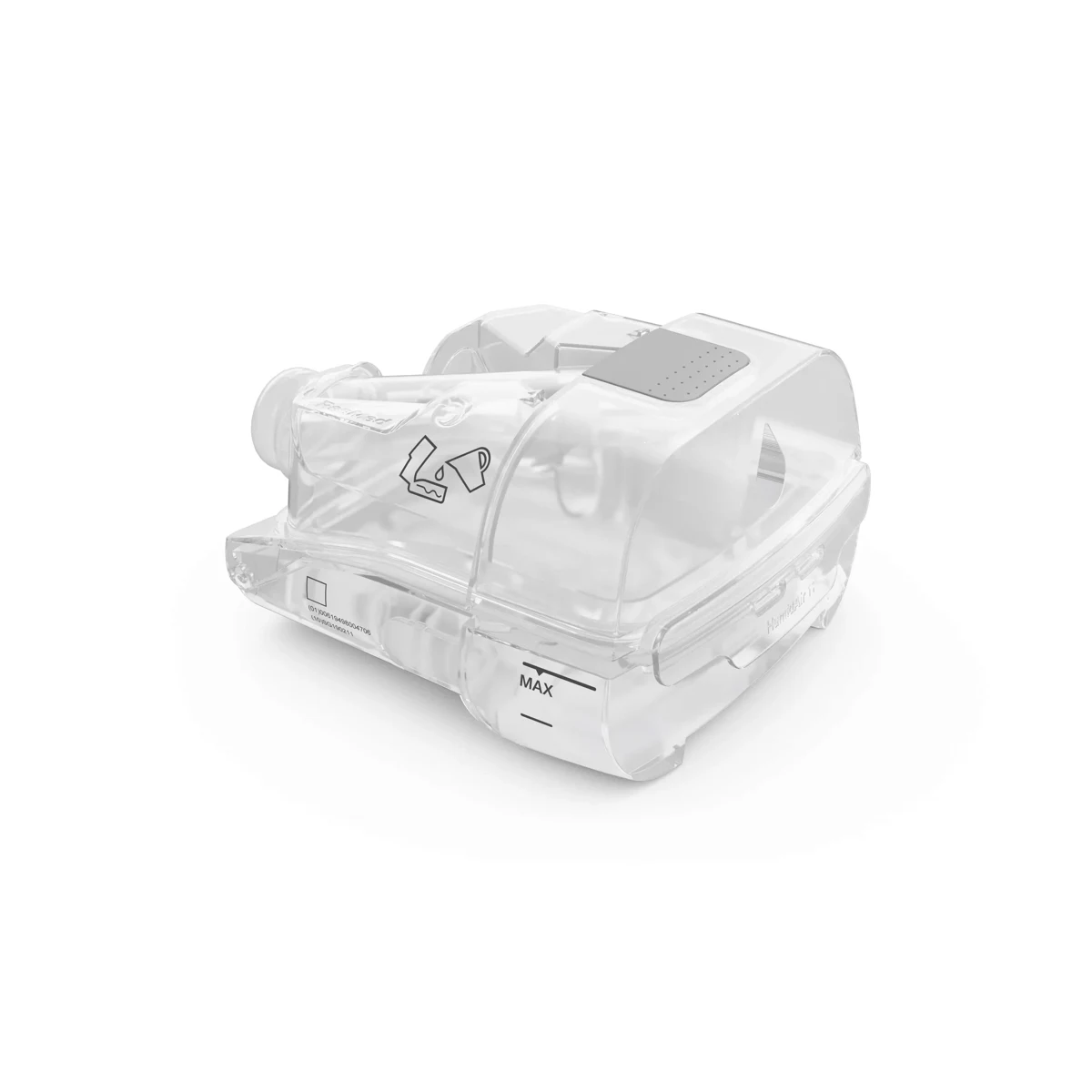
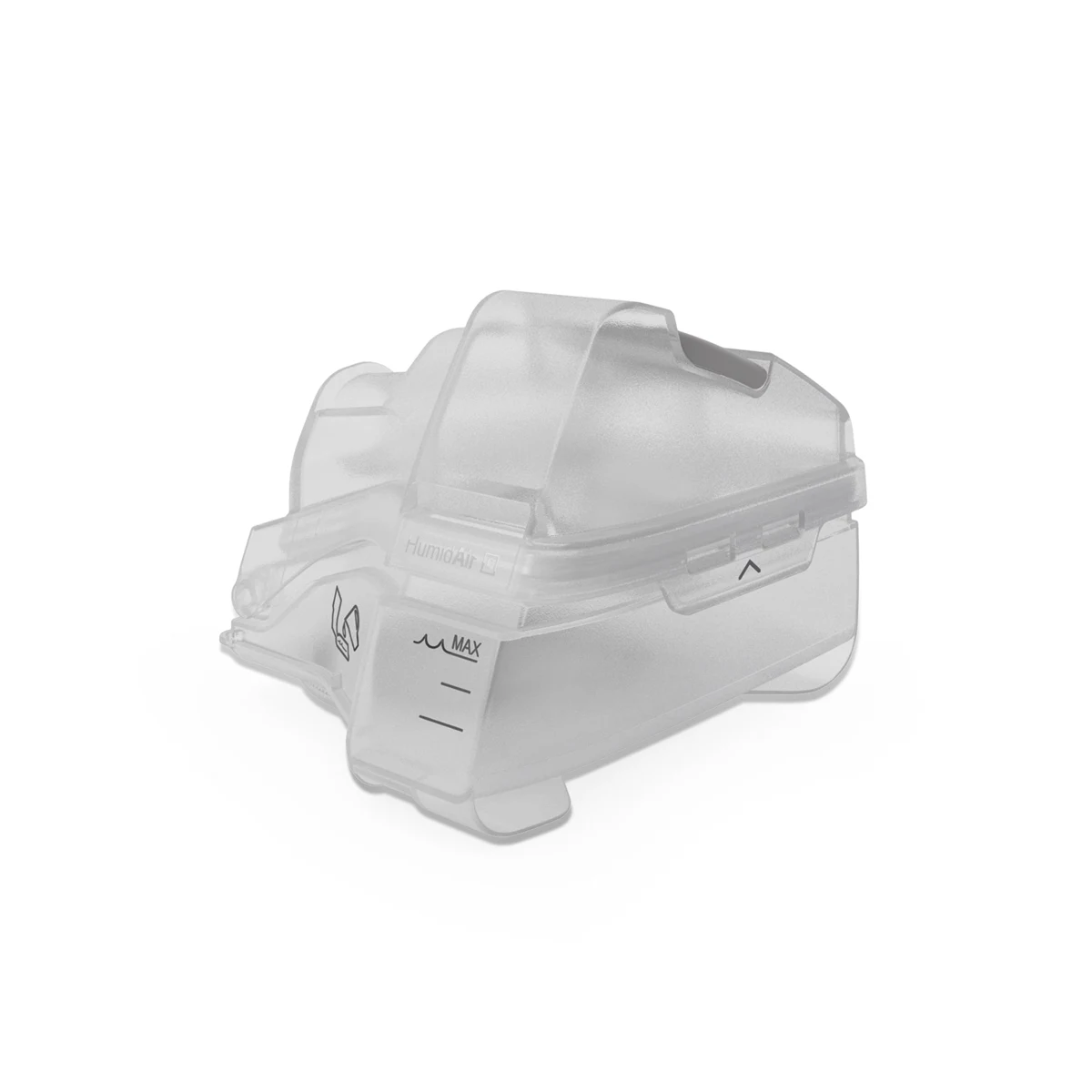
Unplug the equipment before cleaning. Follow the user guide to detach the mask, tube and water tub. Keep water away from the electrical device and allow washable components to air dry as instructed.
02Cushion materials matter
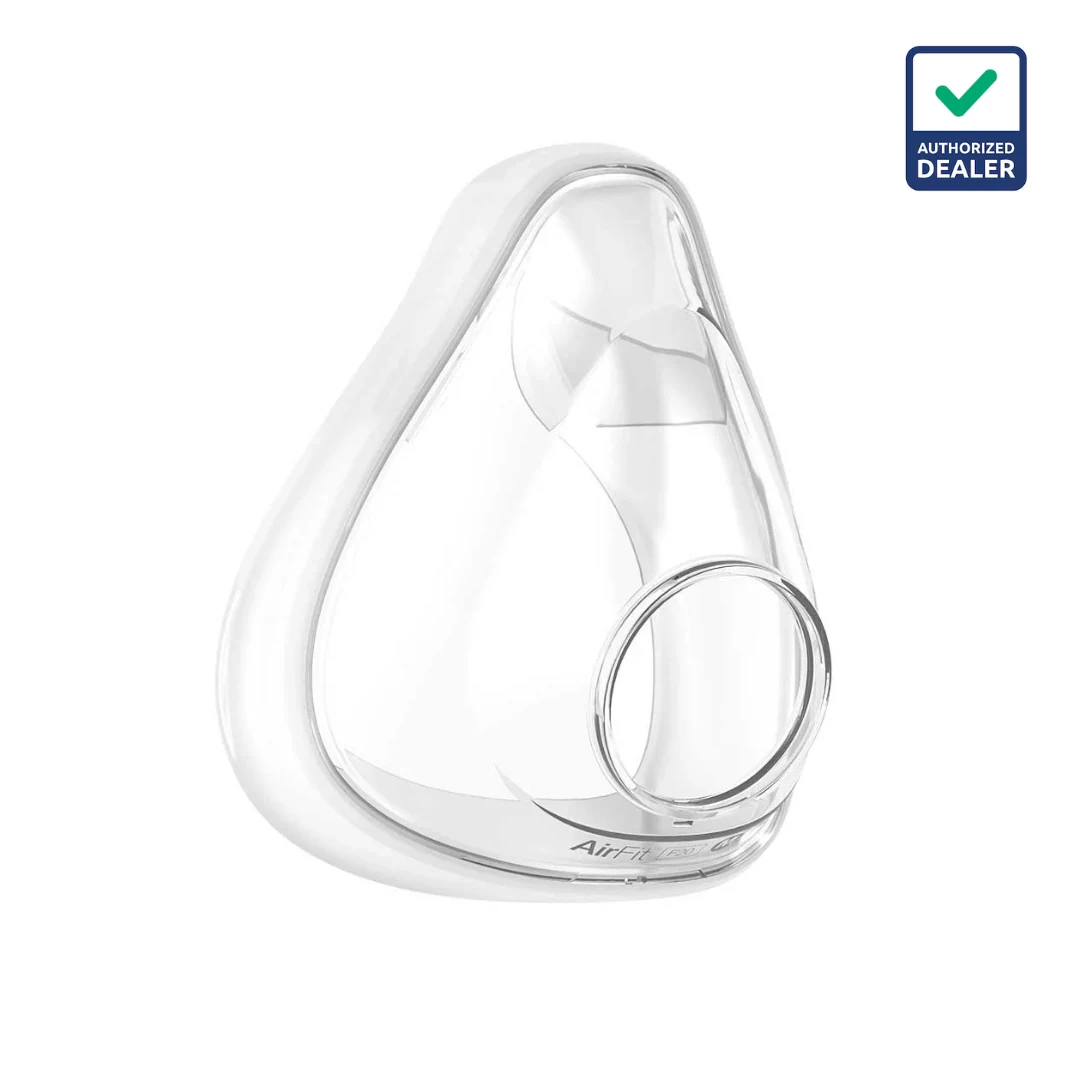
Many silicone components can be washed as instructed with mild detergent and water. Memory foam cushions are different: do not soak them. Use the mask-specific care directions.
03Check the filter and tub type
Disposable filters should not be treated as washable filters. A standard water tub may have different cleaning restrictions from a cleanable tub. Read the label and exact instructions instead of relying on a generic routine.
04Make replacement predictable
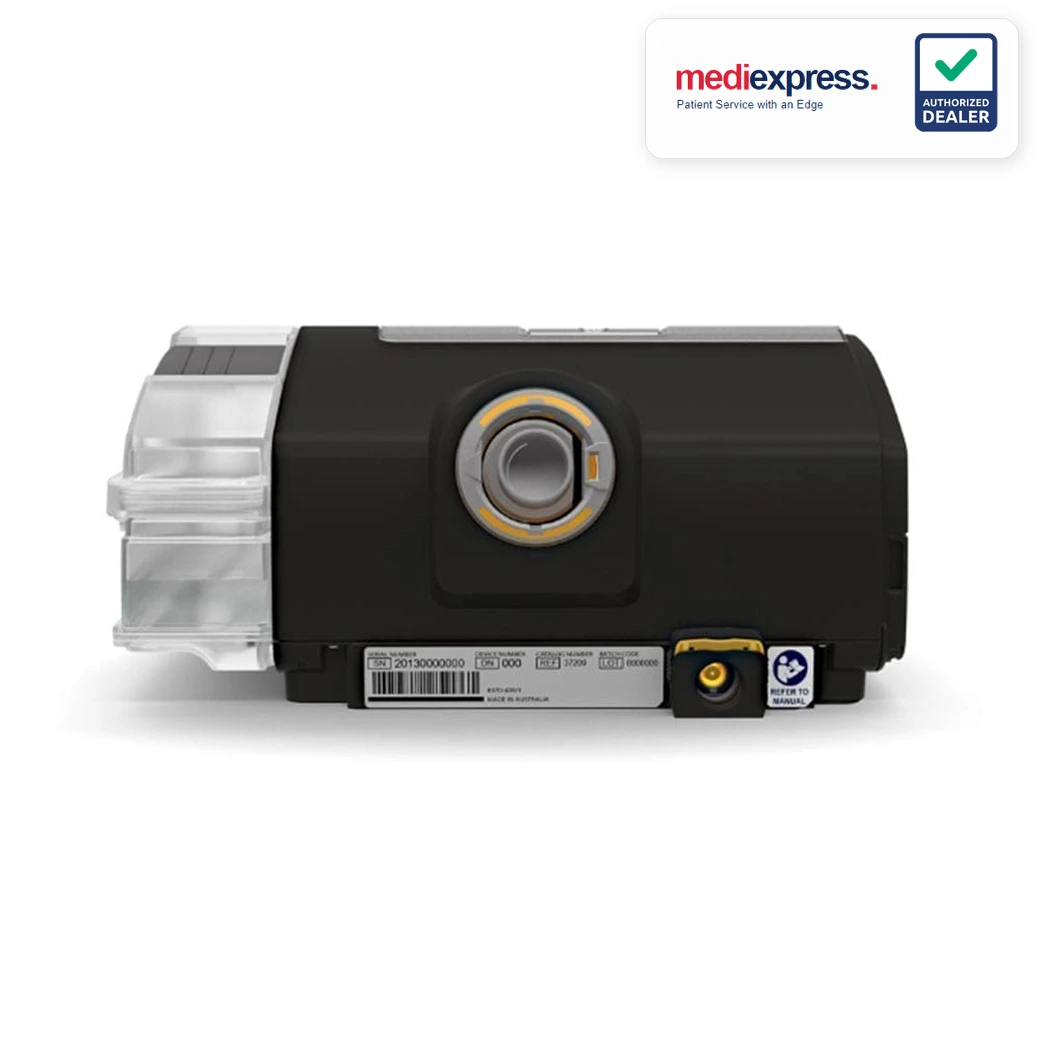
Inspect seals, tubes and cushions for visible damage and follow manufacturer replacement guidance. Tell us your model when asking for a part. Avoid ozone or UV cleaning claims unless the device manufacturer explicitly supports the method.
05Make a component-by-component care card
Create a small written checklist from your own device and mask manuals. Give the cushion, headgear, tube, water tub and filter separate lines. Note which items can be washed, the permitted cleaning method and how each should dry. This helps a family member follow the same routine and prevents a memory-foam cushion from being treated like a silicone part. Keep the card near the cleaning supplies, but refer back to the manufacturer if you change any component.
- Use the instructions for the exact part and material.
- Keep electrical components separate from washable parts.
- Check condition while reassembling and report damage.
06Prepare for travel and replacement enquiries
Pack clean, dry equipment according to the user guide and keep the matching power supply and connectors together. If a part needs replacing, record its model and size before disposing of it. Ask about replacement availability ahead of a trip rather than assuming every shop will stock the same component. Avoid buying a cleaning gadget solely because it promises to replace the routine in your manual; check the equipment manufacturer’s compatibility guidance first.
Sources & further reading
Use the current product instructions for the exact model and region.
Equipment education does not replace clinical advice. Your care team determines appropriate testing, therapy and settings.