01Identify the mask first
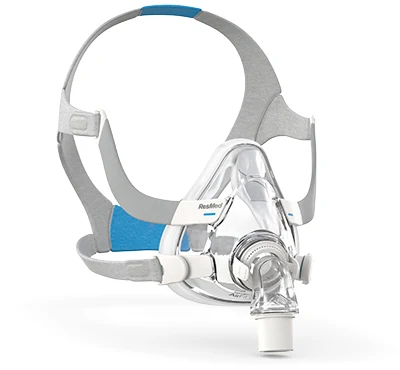
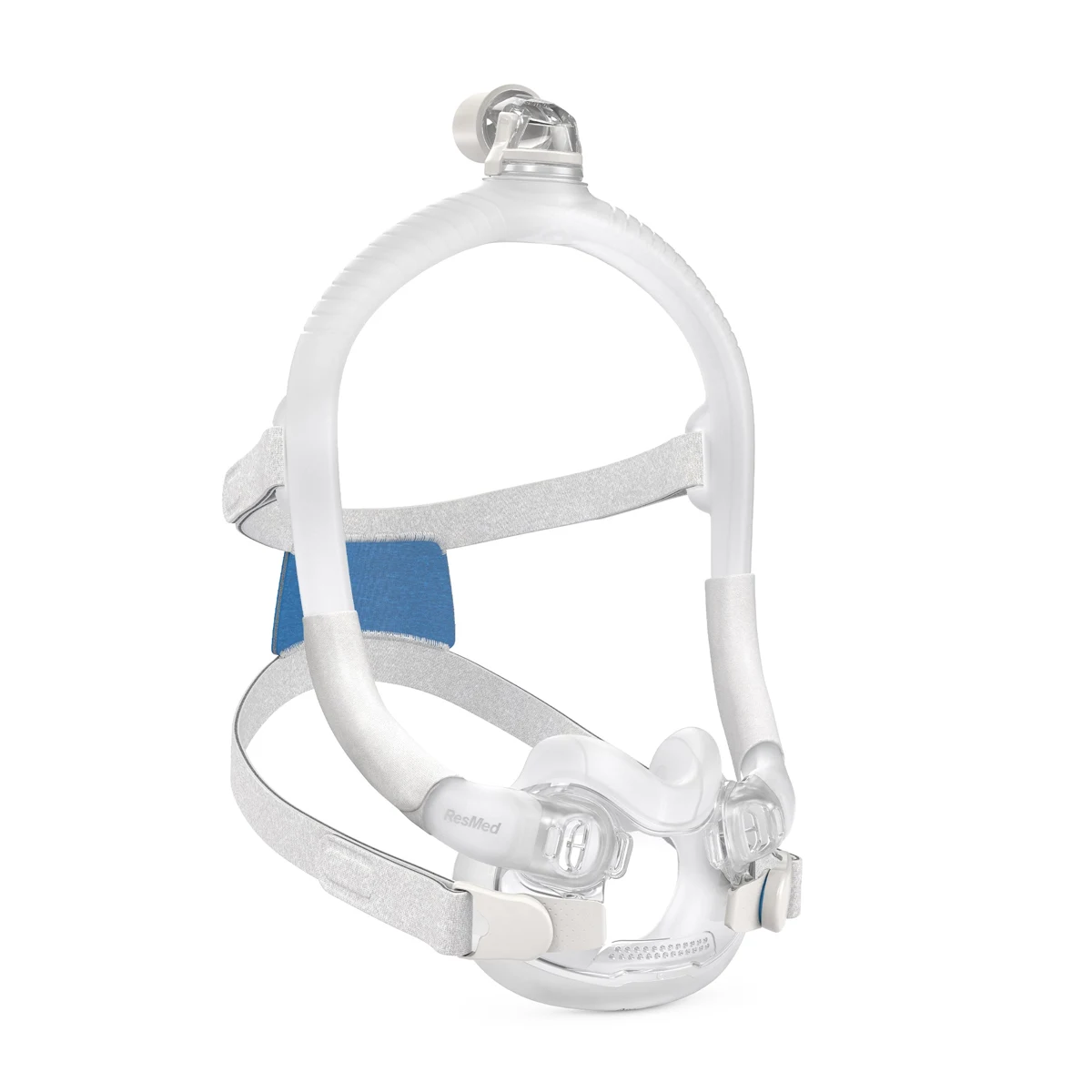
Find the model printed on your current mask or packaging. A cushion size and a frame size may be separate choices. Send both details when asking for a replacement.
02Print the correct template
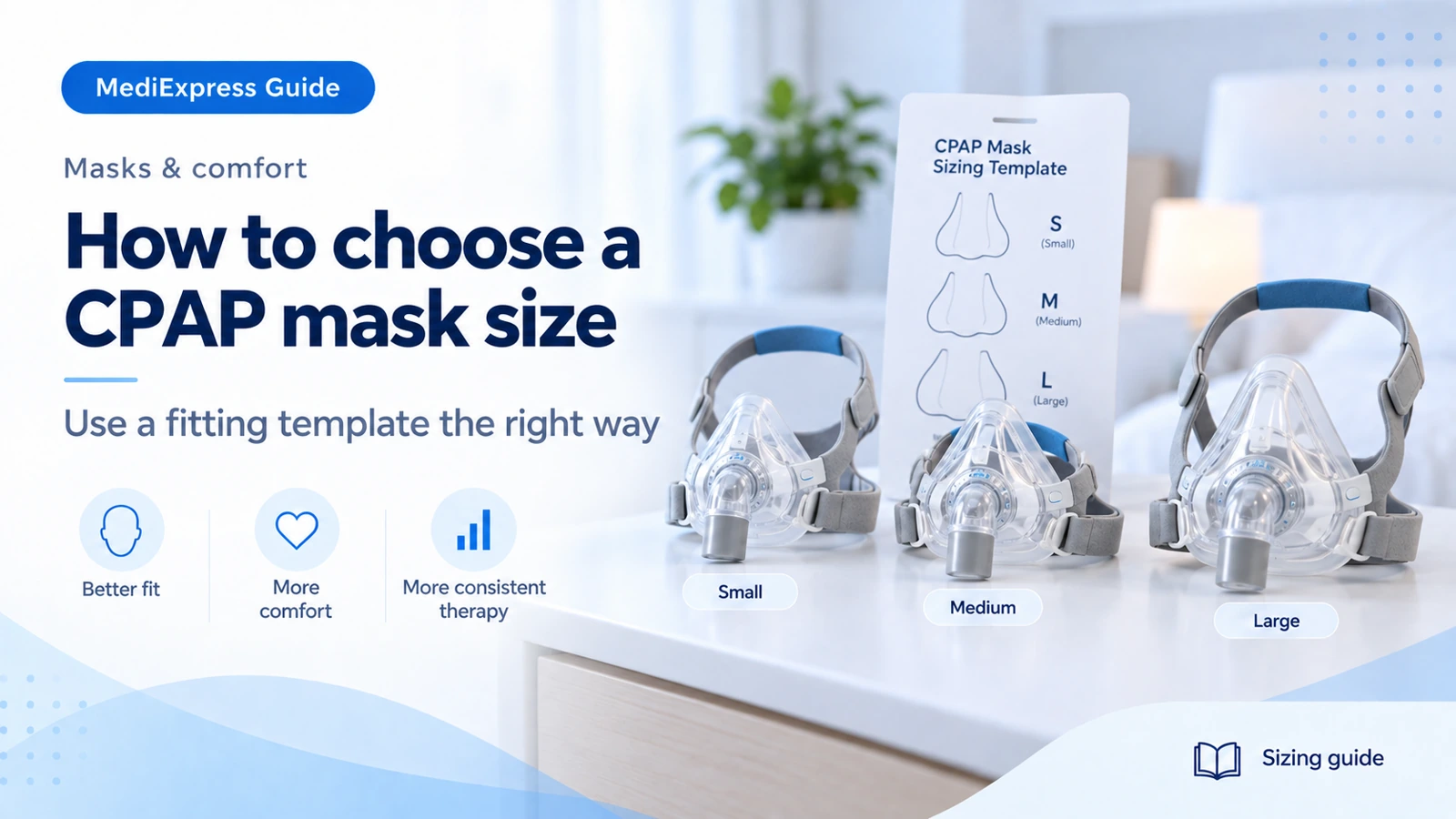
Get the sizing guide from the manufacturer’s page or ask our team for the exact guide. Print at the stated scale and use its measurement check. A resized screenshot on a phone is not a reliable ruler.
03Check the fit in use
Fit should be assessed using the manufacturer’s fitting sequence and the prescribed setup. If you are between sizes or the cushion moves, ask for a fitting review rather than guessing from photographs.
04Before ordering
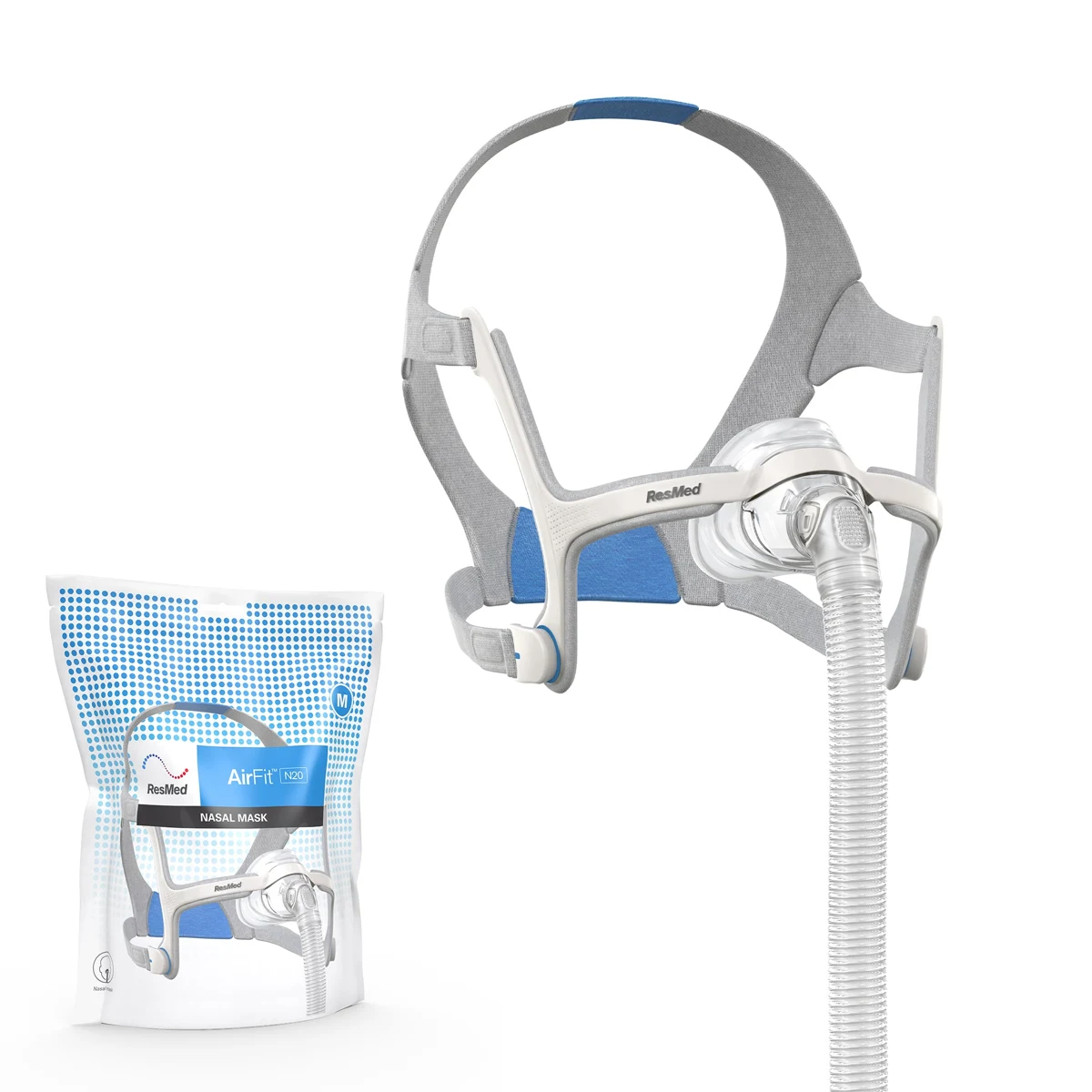
Confirm the model, cushion size, frame size if relevant, connector and what the package includes. Ask about applicable return terms before opening a patient-contact product. We confirm the terms with your quote.
05Check three separate labels
A complete mask can contain a frame, cushion and headgear with separate identifying details. Read each label and compare it with the manufacturer’s ordering guide. If you are replacing only one component, a photograph of the entire mask may not reveal the needed size. Photograph the printed model and size markings clearly, then confirm them with the supplier. This is particularly useful when the packaging has been discarded or a family member is ordering on your behalf.
- Model: the complete family name, not just the brand.
- Cushion: the printed size and part number if available.
- Frame or headgear: the relevant size where the model uses one.
06Make the fitting appointment practical
Bring the mask you currently use and describe the problem you want to resolve. If you have a printed sizing template, keep its scale-check mark visible. Ask the fitter to explain the positioning sequence and show how the cushion should sit, then repeat the steps yourself. Before paying, confirm the return or exchange policy for an opened patient-contact product. A sizing guide supports a decision; it does not replace checking the actual fit.
Sources & further reading
Use the current product instructions for the exact model and region.
Equipment education does not replace clinical advice. Your care team determines appropriate testing, therapy and settings.