01Different delivery mechanisms
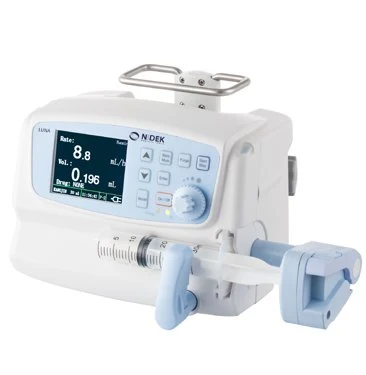
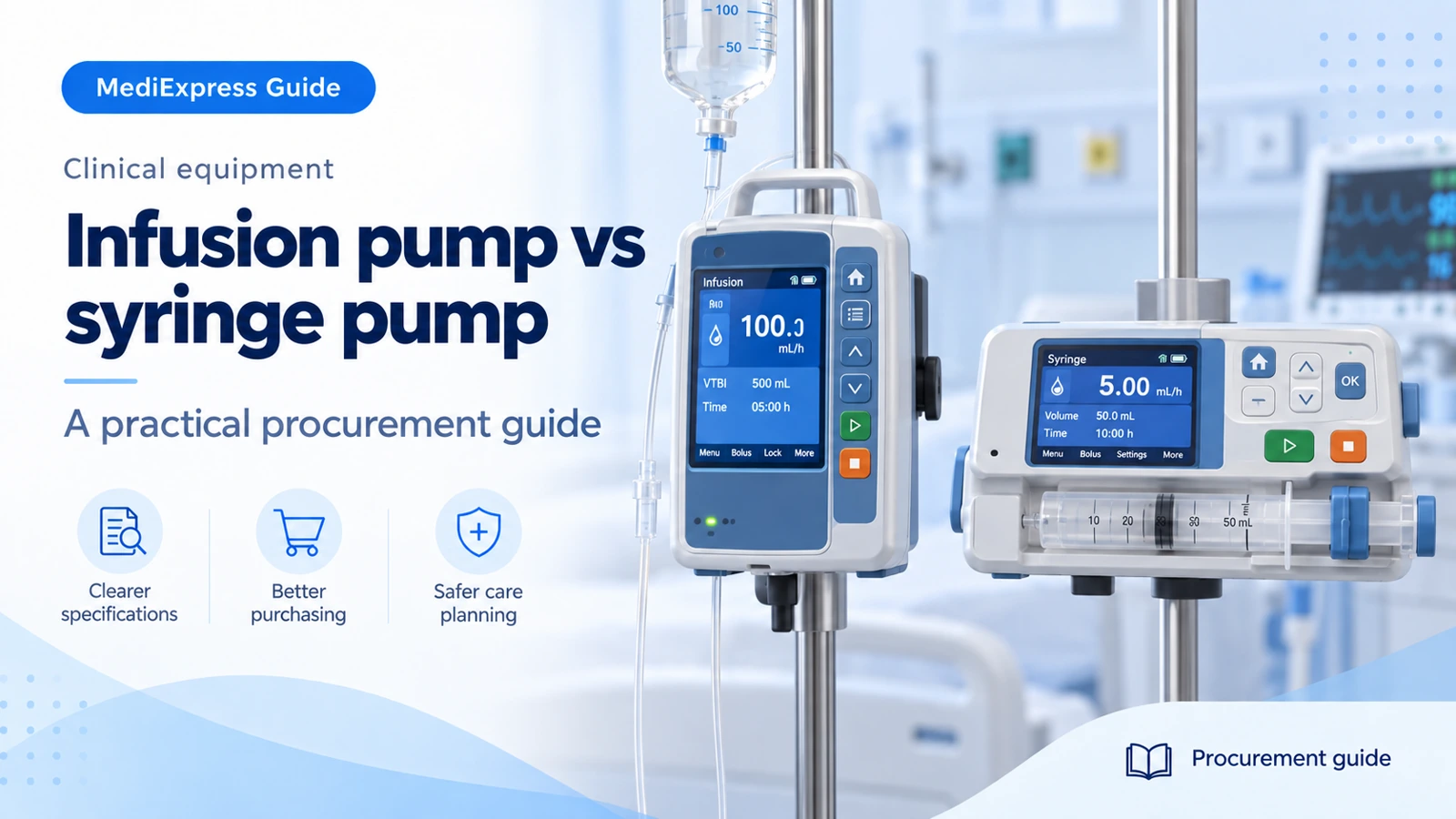
A syringe pump drives the plunger of a compatible syringe. A volumetric infusion pump controls delivery through an approved administration set. The clinical team should specify which type is required.
02Compatibility is central
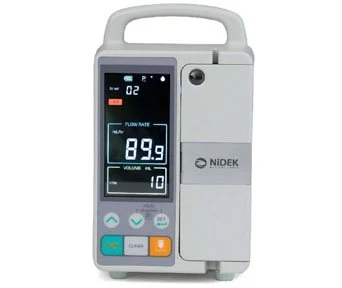
For syringe pumps, confirm approved syringe brands and sizes. For infusion pumps, confirm the exact administration sets. A general statement about compatibility is not a substitute for the current manufacturer list.
03Write down the operating requirement
Specify the needed flow range, accuracy conditions, alarms, bolus features, drug-library requirements and battery operation. Keep these as procurement requirements, not treatment instructions.
04Ask for a technical quotation
Include the institution, quantity, intended care setting and requested configuration. Ask about mounting, training, maintenance and warranty. Pumps should be selected, configured and used by appropriately trained healthcare professionals.
05Compare the pump and consumable as a system
A pump quotation should identify the approved syringe or administration-set requirements, not simply the device name. Ask the clinical and biomedical teams to check the current compatibility documentation and the availability of those consumables locally. Include mounting hardware, power accessories and the required number of units in the request. If a demonstration uses a different consumable from the proposed supply, have that difference resolved before acceptance.
- Specify approved consumable types and sizes.
- Confirm the exact model and installed options.
- Document training, acceptance checks and maintenance arrangements.
06Make support part of the procurement decision
Ask who will demonstrate normal operation and alarm handling to the professional users, and how faults will be escalated. Confirm what is covered by the warranty and how routine servicing is arranged. A technical comparison should distinguish required functions from optional ones, with manufacturer documentation for each. Delivery-rate selection and drug administration are clinical responsibilities; a supplier’s buying guide should help organise the equipment decision without becoming an operating or dosing protocol.
Sources & further reading
Use the current product instructions for the exact model and region.
Equipment education does not replace clinical advice. Your care team determines appropriate testing, therapy and settings.