01Match delivery type first
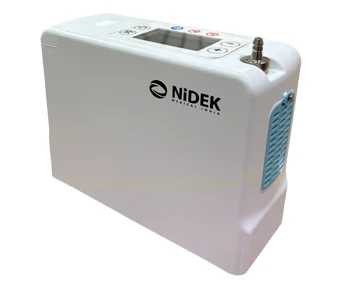
Confirm continuous flow or pulse-dose delivery with the prescribing clinician. A portable device’s numbered pulse setting does not establish an equivalent continuous flow in litres per minute.
02Look beyond the maximum flow
Compare the specified oxygen concentration at the required flow, supply voltage, alarms, weight and service requirements. Ask for the exact model’s documentation and check whether the quoted device matches it.
03Plan the home setup
Think about electrical supply, ventilation around the device, where the tubing will run and who will explain the controls. Discuss backup arrangements with the care team for power interruption or equipment failure.
04Get an itemised quotation
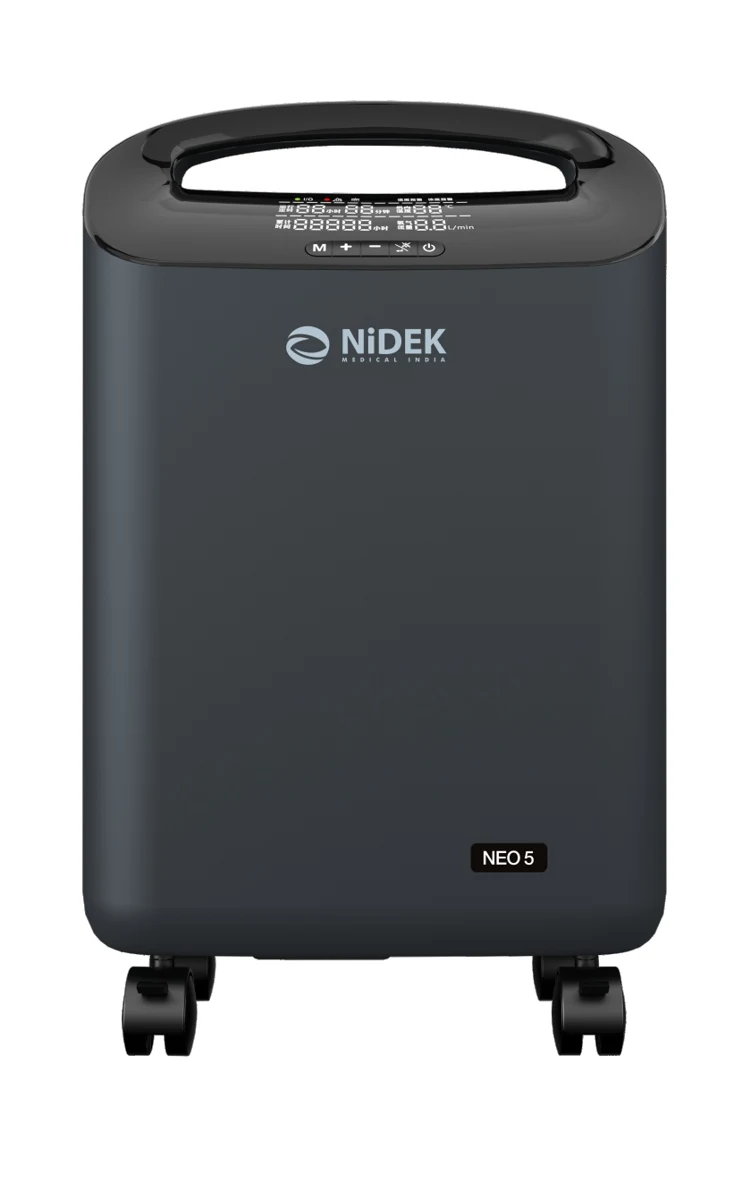
Confirm the cannula or mask, tubing, humidifier bottle if prescribed, delivery, setup and service contact. Ask for written warranty terms and expected consumable costs. Use oxygen at the prescribed flow and keep it away from smoking and flames.
05Turn the prescription into a practical enquiry
Start with the delivery method and flow requirement given by the clinical team. Then describe where the equipment will be used, who will help operate it and what the power situation is like. Those details allow a supplier to discuss suitable hardware and accessories without guessing at therapy. Ask for the exact unit’s technical sheet and a written package list. If the proposed equipment differs from the clinical request, return to the care team for clarification before ordering.
- Required delivery method and prescribed flow.
- Home location, power arrangements and planned duration of use.
- Setup, servicing and backup arrangements to be confirmed.
06Include service and continuity in the comparison
A headline flow rating does not describe the whole ownership experience. Ask who handles faults, how to identify alarms and which routine care tasks belong to the user. Discuss interruptions with the clinical team and document the agreed backup plan. For a rental, also confirm the period, collection terms, deposit and supplied accessories. Keep these details with the invoice so a caregiver can find the right contact without having to reconstruct the original conversation.
Sources & further reading
Use the current product instructions for the exact model and region.
Equipment education does not replace clinical advice. Your care team determines appropriate testing, therapy and settings.