01List the required parameters
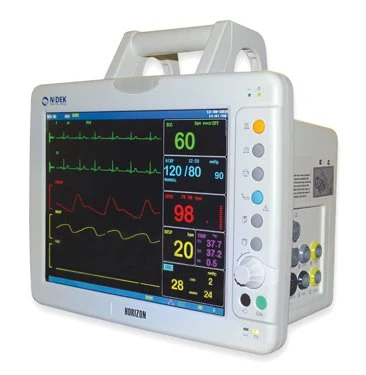
Ask the clinical team to identify monitoring parameters, patient groups and care settings. Record the exact measurement modules, probes, cuffs and cables required. A family name or display size does not confirm the installed configuration.
02Check visibility and workflow
Compare display readability, alarm handling, battery support and documentation against the clinical environment. Ask for a demonstration where appropriate and confirm training arrangements.
03Include the full accessory schedule
Specify quantities of adult, paediatric or neonatal accessories as required. Check whether batteries, printer supplies, networking or additional modules are standard, optional or unavailable on the exact model.
04Evaluate support alongside price
Confirm installation, acceptance checks, warranty coverage, service contacts and replacement accessory availability. Keep the signed technical specification with the quotation and purchase documentation.
05Build an acceptance checklist before purchase
Ask the clinical and biomedical teams to agree on a short, testable list of requirements. Specify the patient population, required parameters, accessory sizes, power needs and intended location. Mark each line as included, optional or not offered in the supplier’s response. This prevents a demonstration unit with extra modules from being mistaken for the quoted configuration. Keep the approved specification with the purchase order and use it again during handover.
- Identify every installed module by the offered configuration.
- List probe, cuff and cable quantities separately.
- Confirm documentation, training and service responsibilities.
06Think beyond the first installation
Ask how replacement accessories are ordered and which consumables are model-specific. Confirm battery coverage, maintenance arrangements and the process for reporting faults. If connectivity is required, have the institution’s technical team review compatibility and data-handling requirements before purchase. Screen size alone is a poor procurement specification: a usable system also needs the correct accessories, a clear alarm workflow and staff who have been trained on the exact equipment supplied.
Sources & further reading
Use the current product instructions for the exact model and region.
Equipment education does not replace clinical advice. Your care team determines appropriate testing, therapy and settings.