01Two separate comparisons
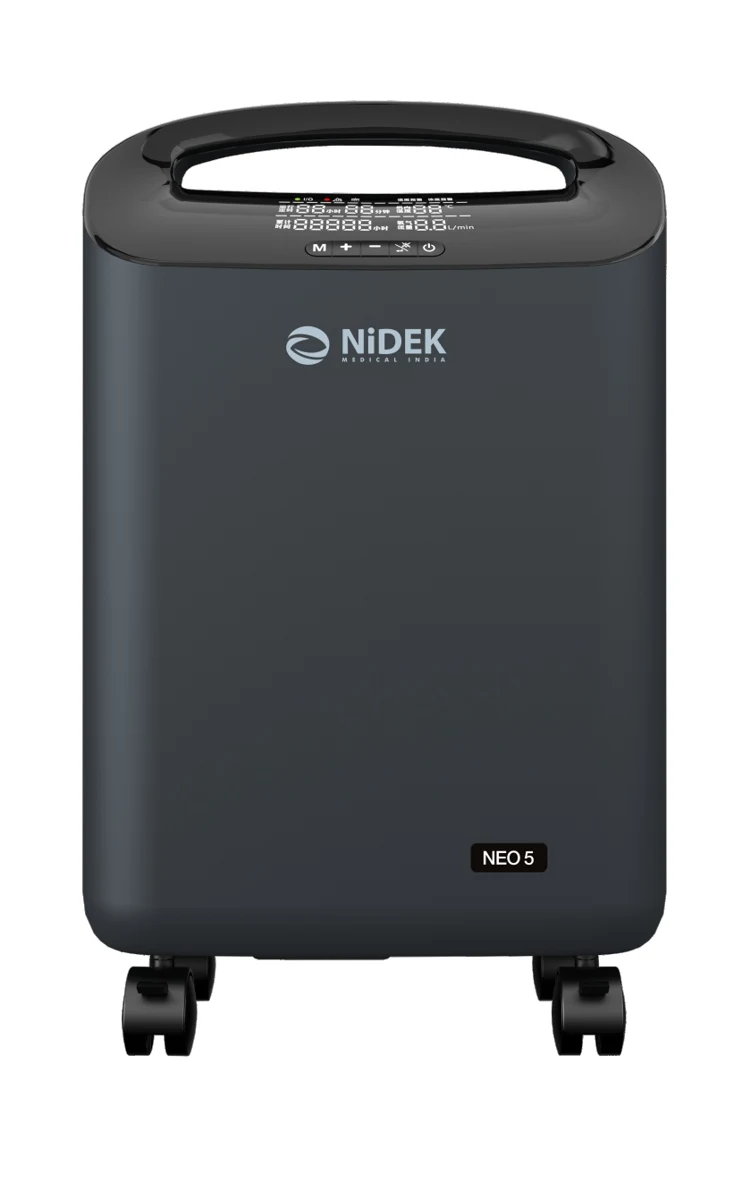
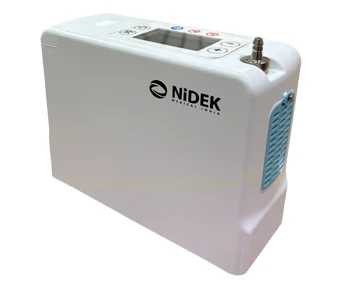
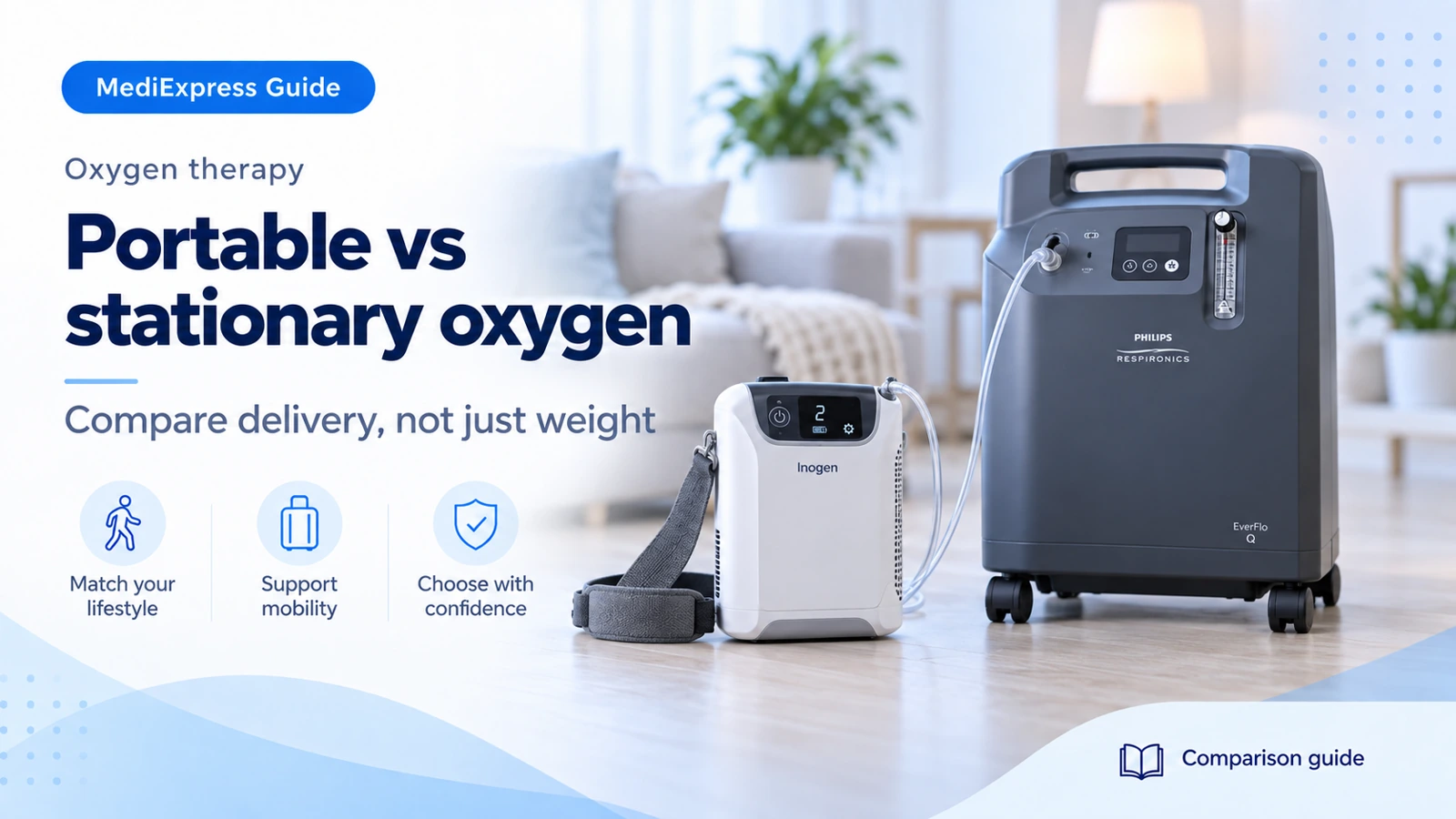
Portable versus stationary describes how equipment can be carried and powered. Pulse-dose versus continuous flow describes how oxygen is delivered. They are related questions, but the terms are not synonyms.
02Read pulse settings carefully
A pulse-dose device responds to detected inhalation. Its numbered settings should not be read as litres per minute. Your clinician needs to assess whether the exact model and delivery method suit the intended use.
03Plan battery use realistically
Ask for manufacturer battery information at the prescribed setting and with the actual battery configuration. Consider charging access, spare batteries, car power and the weight of the complete kit.
04Discuss travel before booking
Confirm airline and destination requirements directly before travel. A product described as portable is not, by itself, proof that every airline permits its use. Ask your clinical team about travel suitability and backup arrangements.
05Compare the complete carried kit
The weight of the bare device is only one part of travelling with equipment. Include the chosen battery, bag, charger and any approved accessories when comparing options. Ask for battery information at the relevant setting and under the manufacturer’s stated conditions. Plan access to charging and discuss the intended activity with your care team. A small case or a long advertised maximum runtime cannot establish that a particular device suits you.
- Record the exact model and battery configuration.
- Confirm pulse or continuous delivery with the clinical team.
- Check travel rules with the operator before booking.
06Write down the journey, not just the destination
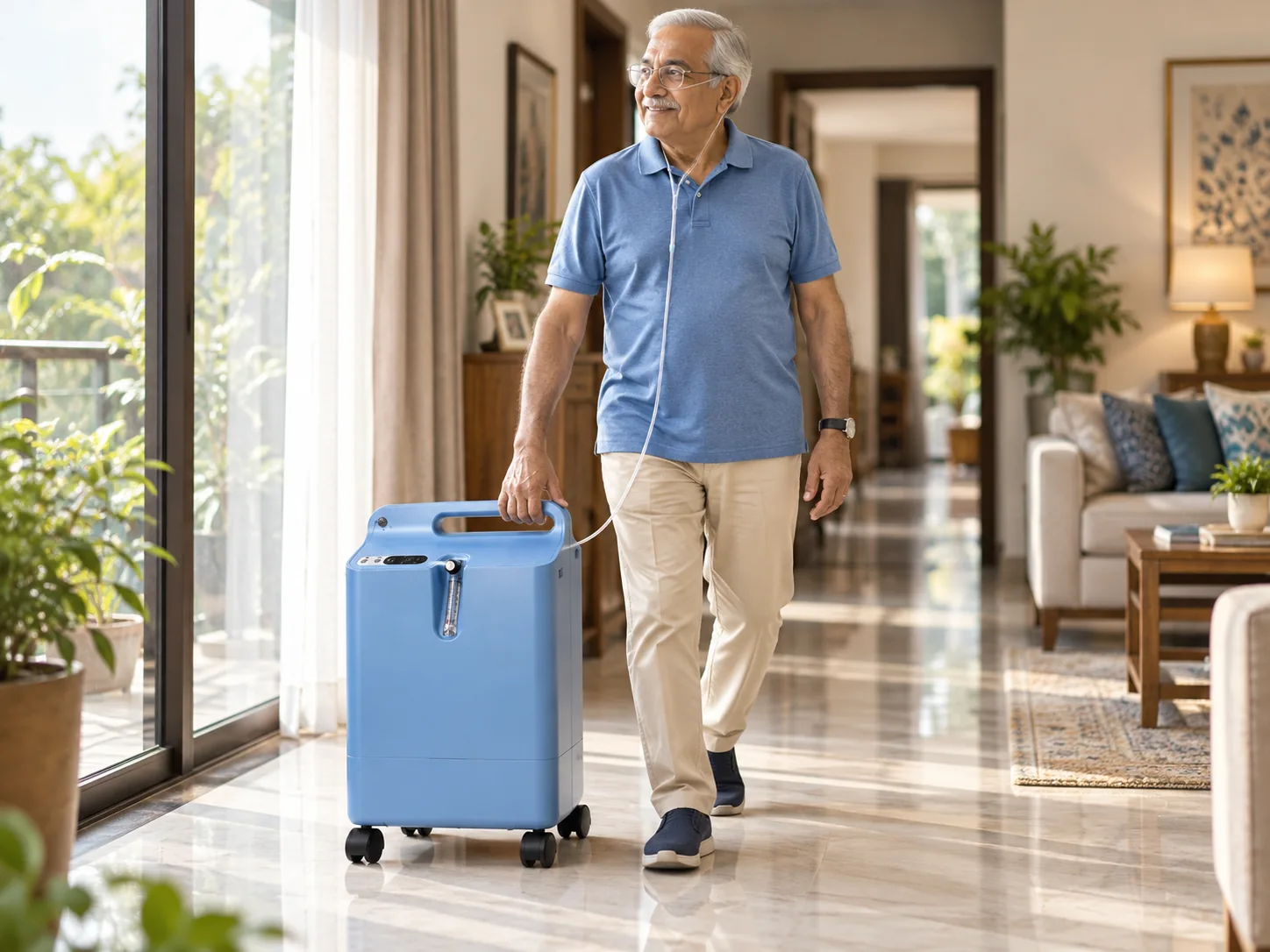
A journey may involve a car transfer, waiting time, a flight and a second transfer. Ask your care team and travel operator how the oxygen plan should cover the whole period, including delays. Keep equipment identification, the manual and supplier contacts accessible. For use at home, discuss where charging and storage will happen and what to do during a fault. Portability is most useful when these everyday logistics have been considered in advance.
Sources & further reading
Use the current product instructions for the exact model and region.
Equipment education does not replace clinical advice. Your care team determines appropriate testing, therapy and settings.